Hollywood Revives 1950s VistaVision Format in Bid to Bring Audiences Back to Theaters
Restored cameras from the Eisenhower era were used on awards-buzz films One Battle After Another and Bugonia, and more major productions are lining up to use the format.
By Juan Gonzalez ·
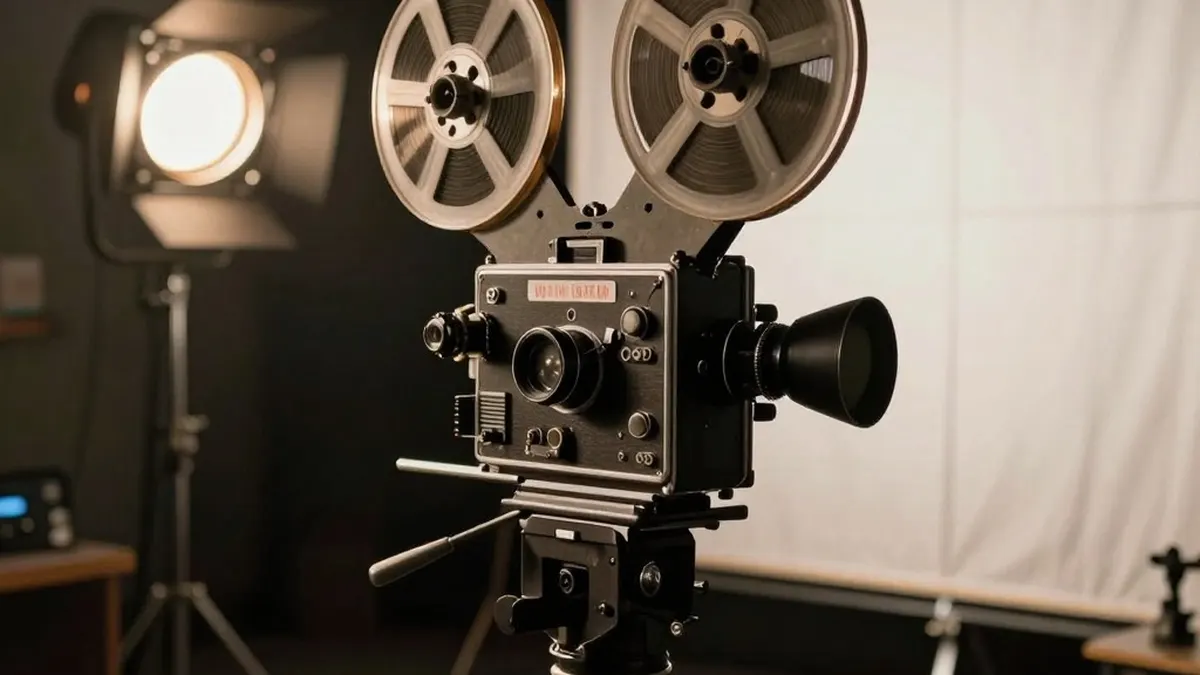
A widescreen film format developed in the 1950s is making a return to Hollywood, with several leading directors betting that the vintage technology can draw viewers back into cinemas. Two films generating awards attention, One Battle After Another and Bugonia, were shot with restored VistaVision cameras, and more productions are expected to follow.
Paramount Pictures unveiled VistaVision in 1954 with White Christmas. A promotional spot shown before the film described it as "the ultimate in film presentation that will thrill all your senses." Charlotte Barker, Paramount's director of film restoration and preservation, said the format produced a widescreen picture that looked striking when projected. She is writing a book on the subject.
According to Barker, VistaVision was the studio's answer to rival widescreen systems. Cinerama relied on three synchronized cameras and projectors feeding three curved screens. 20th Century Fox's CinemaScope needed only one projector and one screen, but it squeezed the image onto standard 35-millimeter film, which added grain that Paramount disliked. VistaVision also used 35-millimeter stock, but ran it horizontally through the camera, as a still camera does, producing an image twice the size and, in Barker's words, one with no grain and "beautiful" clarity.
The concept had earlier roots: Edwin C. Clark filed a patent for a horizontal widescreen system, and filmmakers experimented with other formats as early as the 1920s. Paramount eventually developed VistaVision under sound director and chief engineer Loren Ryder and John R. Bishop, who won Academy Awards for their technical work. Cecil B. DeMille used it for his 1956 remake of The Ten Commandments, and Alfred Hitchcock shot films including North by Northwest, To Catch a Thief and Vertigo with it. Barker said the aim was to offer something viewers could not get from television at home.
The format faded after Panavision developed better wide-angle lenses, and projectionists' unions sought higher pay for screening on special VistaVision projectors. Paramount's last VistaVision release, One-Eyed Jacks, came in 1961. Barker said the studio could no longer justify the expense, since the format consumed twice as much film.
It resurfaced in the 1970s when George Lucas' team at Industrial Light & Magic used it for the special effects in Star Wars. Visual effects supervisor John Dykstra, who led the team to the 1978 Oscar for best visual effects, said they built their own cameras and modified existing ones, which he called "big, clunky things." Dennis Muren, who also worked on the team, said the larger film image made the spaceship shots more consistent with live-action photography.
Live-action filmmakers have since embraced it again. Lol Crawley shot most of The Brutalist in VistaVision, earning the 2025 Oscar for best cinematography. He said the camera allowed high-resolution images without the distortion of a wide-angle lens, though he likened the vintage Beaumont camera to a finicky classic car. The cameras are also loud, which complicated quiet, nuanced performances.
Actor Giovanni Ribisi lent a camera he bought 12 years ago in New York to Paul Thomas Anderson for One Battle After Another. Director of photography Michael Bauman said the three cameras on set were noisy and prone to jams, but that the visual results were "well worth the pain and misery." The film's climactic desert car chase was shot with a camera strapped to the bumper, just inches above the road.
Yorgos Lanthimos, who first tried VistaVision on a scene in Poor Things in 2021, used it again with cinematographer Robbie Ryan on Bugonia. Though much of the film takes place in a cramped basement, Lanthimos said the format made close-ups of faces feel iconic, "almost like photography portraiture." As Hitchcock did, crews now use soundproofing cases to muffle the camera noise.
Further projects using the format include Wuthering Heights, Greta Gerwig's Narnia and a new Tom Cruise film directed by Alejandro González Iñárritu.
Source: KJZZ